Designing ICD‑10 Practice That Fits Real Students’ Lives (Without Adding Grading)
Most ICD‑10 instructors don’t need to be convinced that more practice would help their students. The real challenge is building that practice into already full lives—your students’ and your own—without creating another stack of grading.
Think about a typical week for your learners: class, lab, work shifts, family responsibilities, and other courses all competing for attention. The idea that they’ll regularly sit down for perfect two‑hour ICD‑10 study blocks isn’t just unrealistic—it quietly trains them to feel like they’re always behind. Most of their usable time shows up in fragments: 5–15 minutes between classes, on breaks, or late at night when energy is low. Designing practice that actually fits means planning for those fragments instead of around them.
Once you accept that time will be broken up, the question becomes: what “counts” as meaningful practice? A short session can still be powerful if it has one or two focused scenarios, a narrow skill target (laterality, sequencing, a single chapter), and a clear immediate takeaway. In 5–10 minutes, a student can read and code a short case, check the answer and explanation, and notice a single pattern like, “I missed that aftercare rule” or “I forgot to look for additional codes.” Frequent, bite‑sized sessions like this quietly add up to more applied practice than a few marathon review nights.
For students, the format matters as much as the content. Practice that feels like another heavy assignment is easy to procrastinate. Practice that feels light and repeatable is easier to start. That’s why it helps to shift away from big tasks that require planning (“I need a whole evening for this”) toward quick actions (“I can do one of these right now”). Framing practice as reinforcement rather than graded homework, keeping instructions short, and making each exercise self‑contained all lower the activation energy to begin.
Removing grading from reinforcement doesn’t mean removing structure. Students still need to know if they’re on track and why. Immediate, targeted feedback—seeing the correct code(s) as soon as they submit, a brief explanation of the reasoning, and a note about common pitfalls—does more for learning than a score entered into a gradebook days later. It lowers the emotional stakes so they can experiment, speeds up learning because they don’t wait for results, and reduces your workload because the feedback is built into the activity instead of added as another pass you have to complete.
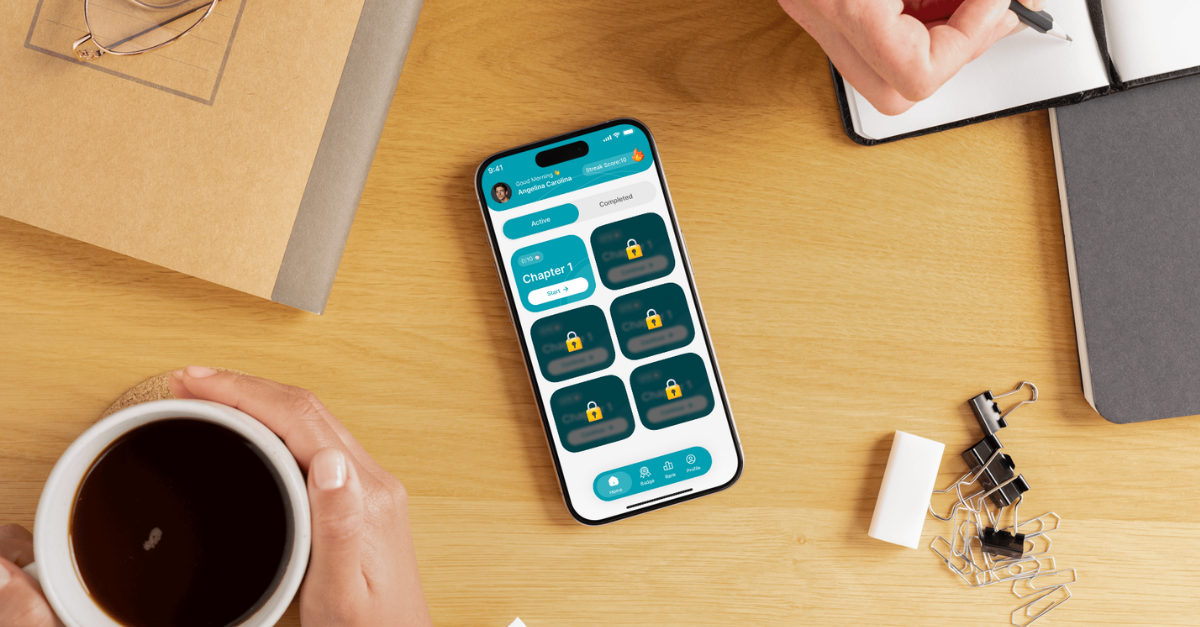
This is where purpose‑built tools can quietly carry some of the load. An app like Getcodexa is designed to deliver short, ICD‑10‑aligned cases that students can complete in 5–10 minutes, provide automatic, case‑specific feedback, and let students practice as often as they’d like without generating more grading for you. Your lectures, major assignments, and assessments stay exactly where they are; the tool fills in the gaps between classes with structured reinforcement that doesn’t depend on you reviewing every response.
Over time, the biggest shift comes when practice stops being a rescue plan before exams and becomes part of the course rhythm. You might suggest a simple cadence (“aim for one or two short practice sessions between each class”), weave in brief discussions of patterns students are seeing in their outside cases, or occasionally ask, “What’s been tripping you up in practice this week?” When students expect ICD‑10 to show up in small, steady ways throughout the term, exam season feels less like a cliff and more like the next logical step.
Designing practice that fits real life isn’t about lowering standards. It’s about aligning the way students actually work with the way ICD‑10 is truly learned: through many small decisions, made often enough that the patterns become second nature—without requiring you to add another pile of grading to your desk.